Arash Safavi
June 2026

The FIFA World Cup 2026 is more than a football tournament. It is one of the largest construction, infrastructure, logistics, and engineering showcases in the world.
Hosted across Canada, the United States, and Mexico, the tournament will bring together 48 teams, 104 matches, and 16 stadiums across North America. For millions of fans, these venues will be remembered for goals, celebrations, and unforgettable moments. But behind every match is something much larger: years of planning, structural coordination, renovation, technology upgrades, and construction expertise.
From Toronto and Vancouver to Mexico City, Los Angeles, Dallas, and New York New Jersey, each World Cup stadium tells a story about how modern buildings are adapted to meet global standards.
For builders, architects, engineers, and project managers, the 2026 World Cup is not only a sporting event. It is a case study in how complex projects come to life.
The FIFA World Cup 2026 will be played in 16 stadiums across three countries: Canada, Mexico, and the United States.
The Canadian host stadiums are in Toronto and Vancouver. Mexico will host matches in Mexico City, Guadalajara, and Monterrey. The United States will host matches in major cities including Atlanta, Boston, Dallas, Houston, Kansas City, Los Angeles, Miami, New York New Jersey, Philadelphia, San Francisco Bay Area, and Seattle.
Each venue was selected not only for its seating capacity, but also for its ability to support international broadcasting, transportation, security, accessibility, hospitality, and FIFA match requirements.
A World Cup stadium is not just a place where people sit and watch a match.
It has to function as a high-performance building under extreme pressure. Tens of thousands of fans move through the space at once. Global broadcasters require advanced technology and sightlines. Teams need secure, professional facilities. Hospitality areas must operate smoothly. Emergency systems, accessibility routes, crowd control, and transportation connections all need to work at scale.
That level of performance does not happen by accident.
It requires careful design, engineering, project management, and coordination between architects, contractors, consultants, suppliers, stadium operators, city officials, and event organizers.
In many ways, the stadiums of the FIFA World Cup 2026 show what successful construction is really about: bringing many moving parts together with precision.
Many of the 2026 World Cup venues were originally designed for football, soccer, concerts, or multi-purpose events. To meet FIFA standards, several stadiums require temporary or permanent modifications.
These upgrades can include pitch adjustments, seating changes, broadcast infrastructure, player facilities, fan circulation improvements, and hospitality expansions.
One of the most important requirements for World Cup matches is the playing surface.
Several North American stadiums normally use artificial turf or are designed primarily for other sports. For the World Cup, these venues need to support a natural grass pitch that meets FIFA standards.
That sounds simple, but it is a major technical challenge.
Natural grass requires proper drainage, irrigation, sunlight, ventilation, root stability, and maintenance. In enclosed or partially covered stadiums, engineers and grounds teams need to consider how the grass will survive under limited sunlight and heavy use.
This type of conversion is a reminder that even the most advanced stadiums need to adapt when the performance requirements change.
Some World Cup stadiums use temporary seating or modular additions to increase capacity and meet event requirements.
Temporary does not mean simple.
These structures still need to be safe, stable, accessible, and carefully engineered. They must handle large crowds, weather conditions, emergency movement, and visibility requirements. They also need to be installed and removed efficiently without damaging the existing building.
This is where modular construction, steel framing, prefabricated systems, and detailed coordination become critical.
The World Cup is one of the most watched events on earth.
That means stadiums need advanced broadcast infrastructure, camera positions, commentary areas, media zones, lighting systems, connectivity, and power capacity.
Behind the scenes, this creates a construction and coordination challenge. Technology upgrades must be integrated into existing buildings without disrupting the venue’s core operations.
Modern stadium construction is no longer only about concrete, steel, and seating. It is also about data, connectivity, media, and digital performance.
A successful stadium is measured by how well people move through it.
For World Cup matches, venues must support large crowds entering, exiting, buying food, using washrooms, reaching seats, accessing transit, and moving safely during emergencies.
This requires strong planning around concourses, stairs, elevators, ramps, signage, security zones, and accessible pathways.
Good construction is not only what people see. It is also what people experience without noticing.
Canada will host World Cup matches in Toronto and Vancouver. For Canadian soccer, this is a historic moment.
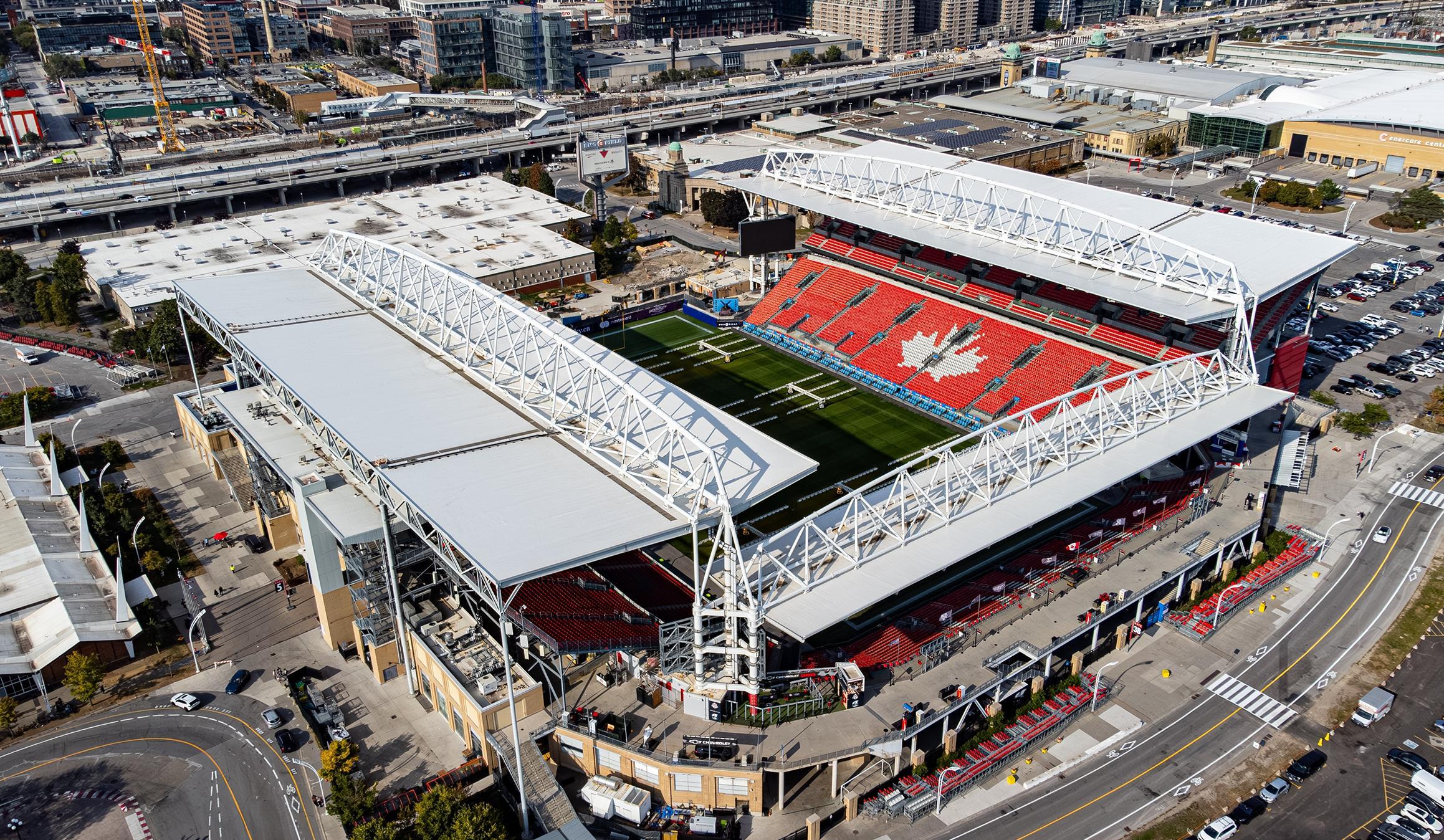
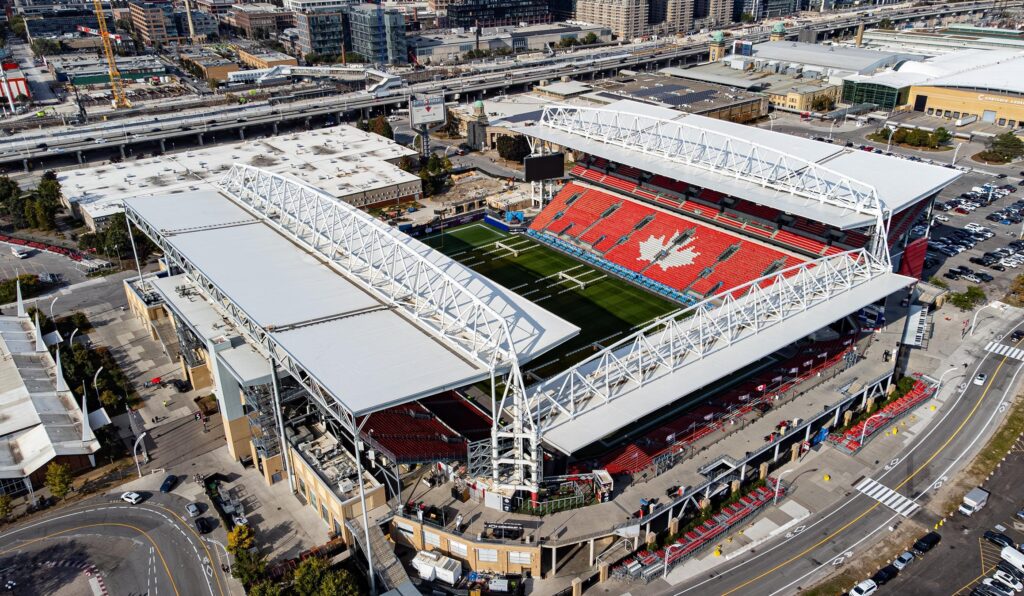
Toronto’s BMO Field will host several World Cup matches, including Canada’s opening match.
As a stadium originally built for soccer and Canadian football, BMO Field already has a strong connection to the sport. However, hosting the World Cup requires a different level of preparation.
The venue has needed upgrades related to seating capacity, hospitality, broadcast needs, and event operations. These changes show how an existing stadium can be expanded and adapted for a global event without losing its core identity.
For Toronto, the stadium is more than a venue. It is a gateway for the city to present itself to the world.
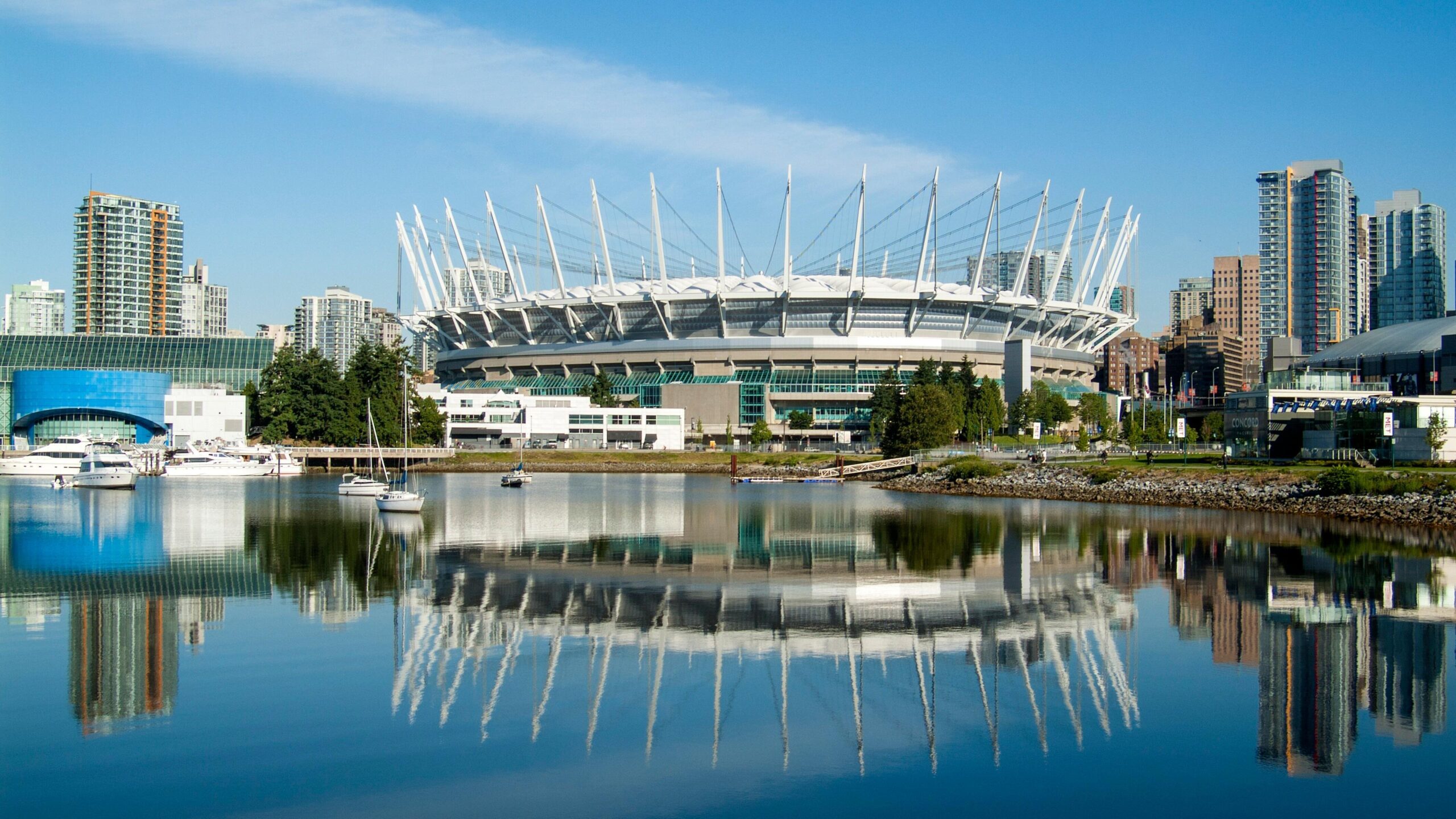
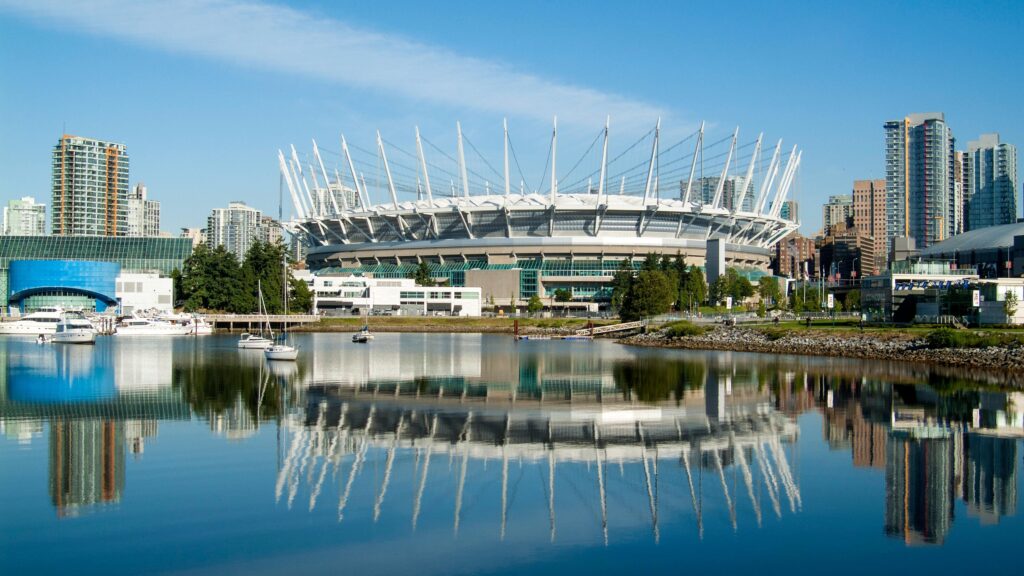
BC Place is one of Canada’s most recognizable stadiums.
Known for its roof structure and large-scale event capacity, the venue has hosted major sports, concerts, ceremonies, and international events. For the World Cup, BC Place must once again perform as a flexible, multi-purpose building capable of meeting global standards.
The engineering story of BC Place is especially interesting because covered stadiums require careful planning around lighting, ventilation, turf systems, acoustics, and crowd movement.
For builders, BC Place shows how adaptable infrastructure can extend the life and value of a major public venue.
Mexico brings deep football history to the 2026 tournament. Its stadiums combine legacy, atmosphere, and modernization.
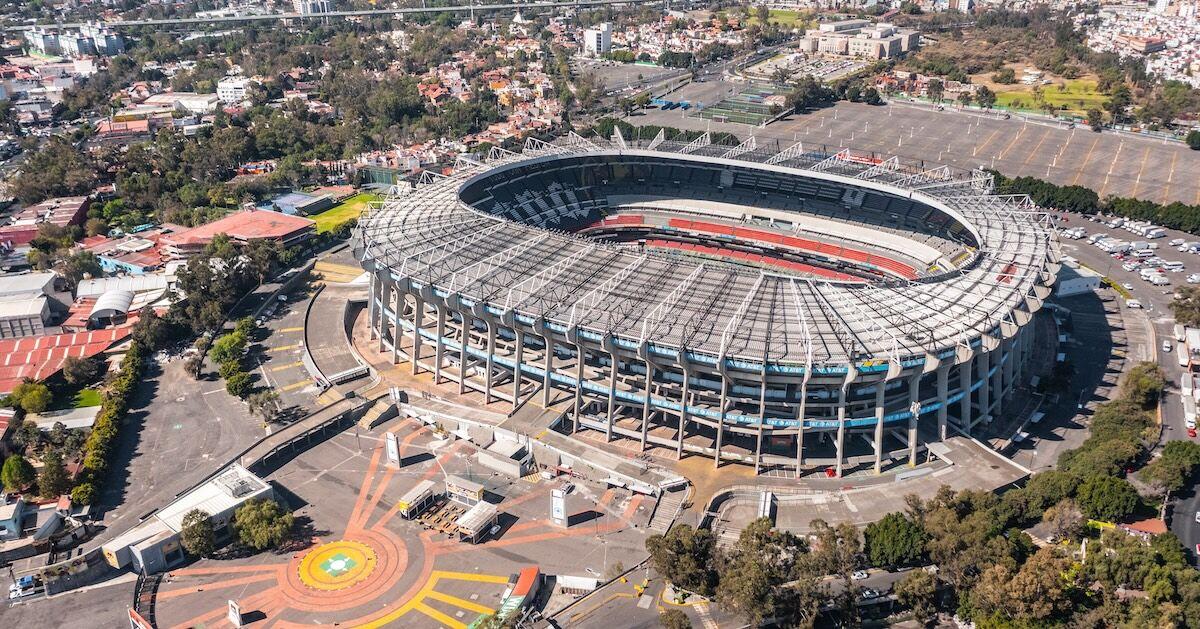
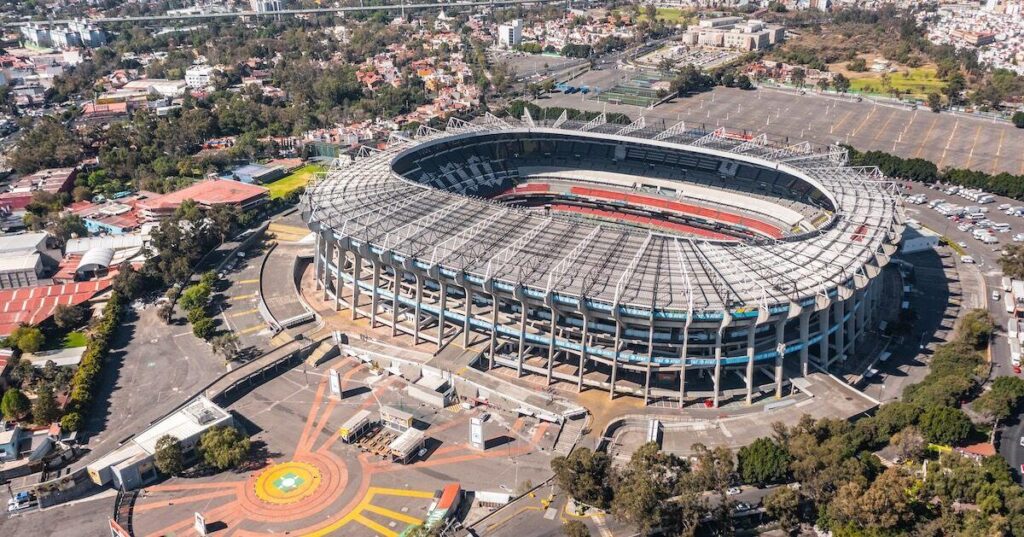
Estadio Azteca is one of the most famous stadiums in world football.
It has hosted some of the sport’s most iconic moments and will become the first stadium to host matches in three different men’s World Cups.
From a construction and renovation perspective, Estadio Azteca represents the challenge of modernizing a historic venue while preserving its identity. Older stadiums often require upgrades to seating, hospitality, accessibility, technology, safety systems, and player facilities.
The goal is not to erase the past. It is to make the building ready for the future.
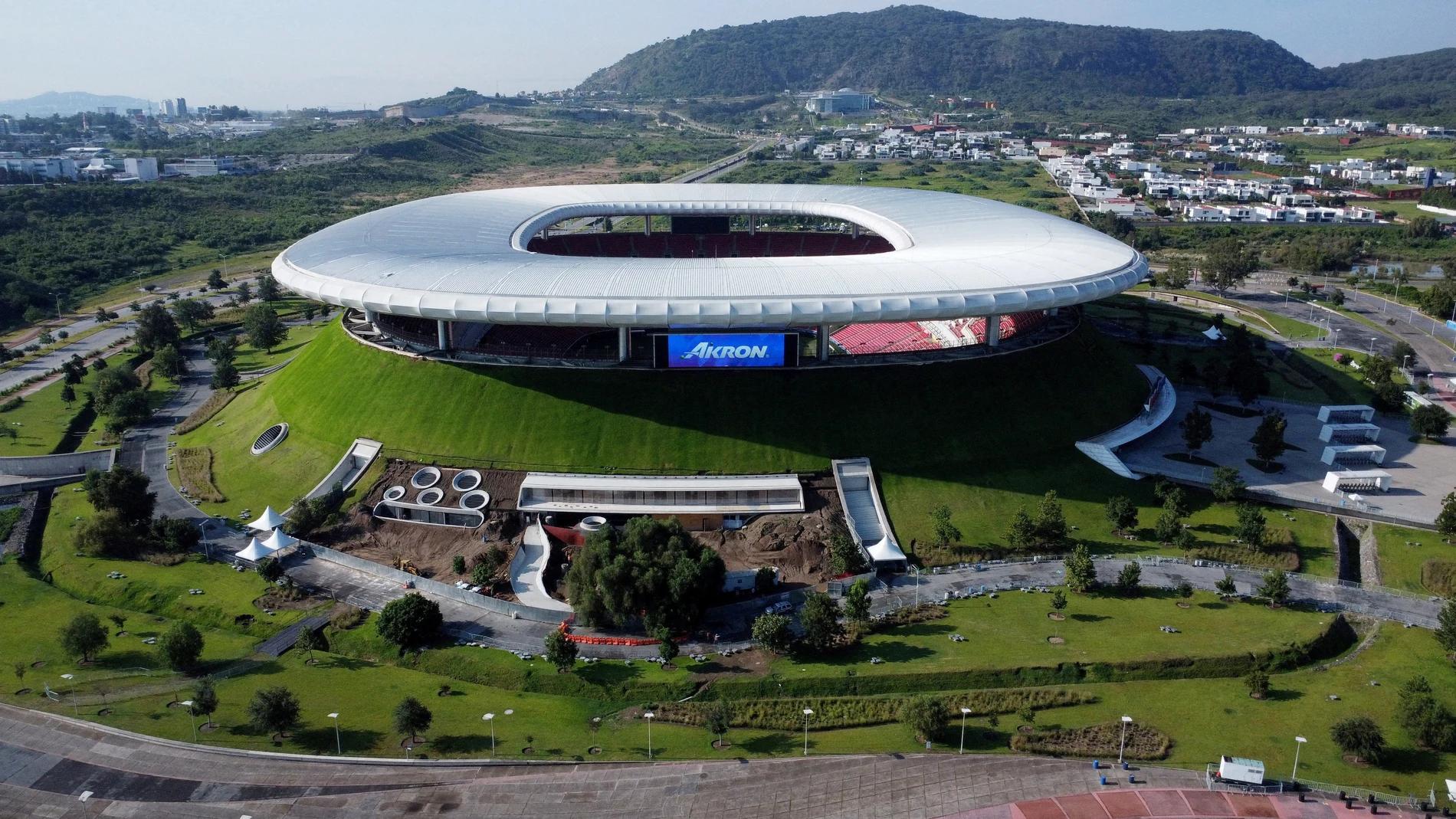
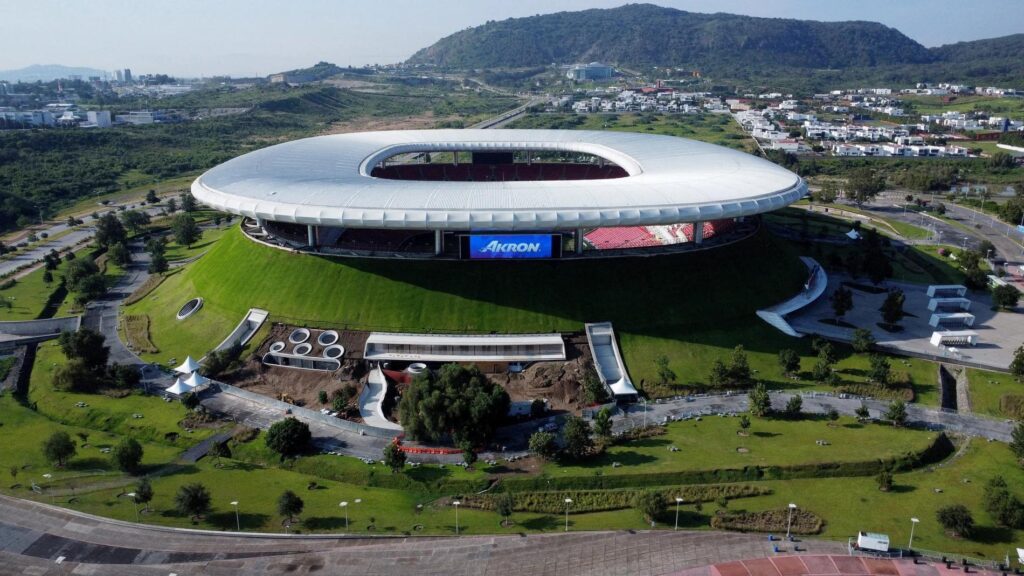
Guadalajara’s Estadio Akron is a more modern stadium with a distinctive design and strong connection to Mexican football culture.
Its architecture reflects a more contemporary approach to stadium design, where the venue is part sports facility, part public destination, and part city landmark.
For World Cup hosting, modern stadiums still require adaptation. Even newer venues must meet FIFA’s detailed requirements for pitch quality, security, media, operations, and fan experience.
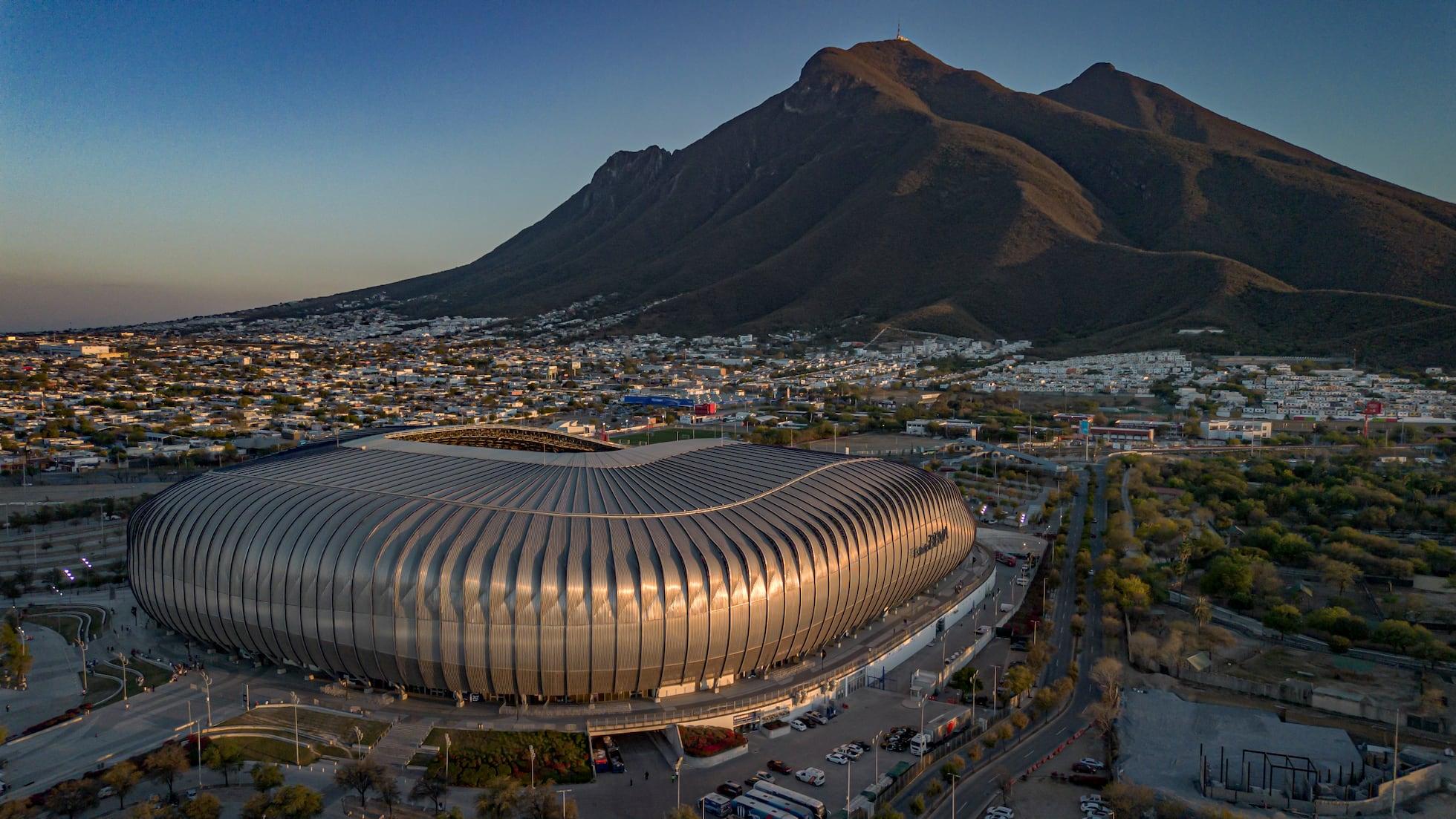
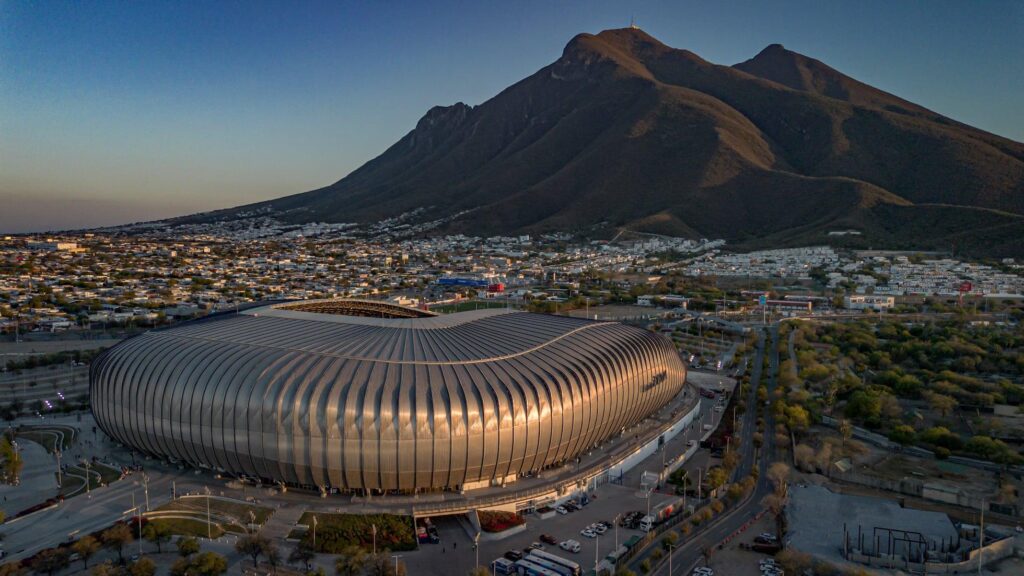
Monterrey’s Estadio BBVA is one of the most visually striking stadiums in North America.
Set against the backdrop of the Cerro de la Silla mountains, the stadium combines modern design with a dramatic natural setting. Its form, materials, and location make it a strong example of how stadium architecture can respond to place.
For construction professionals, Estadio BBVA shows how a venue can be both functional and iconic.
The United States will host most of the tournament’s matches, including the final. Many of its venues are large NFL stadiums, which creates both advantages and challenges.
These stadiums already have major capacity, premium hospitality areas, large concourses, and advanced event infrastructure. However, adapting them for FIFA matches often means rethinking the field, sightlines, pitch dimensions, and natural grass systems.
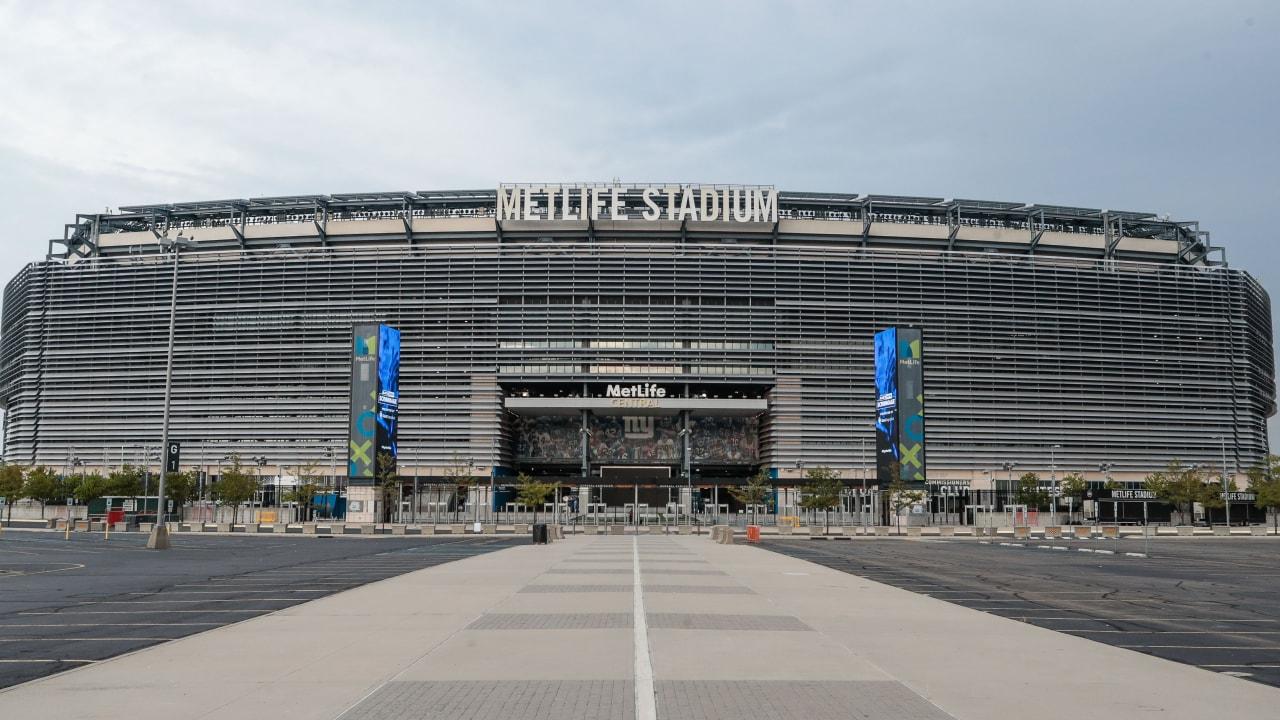
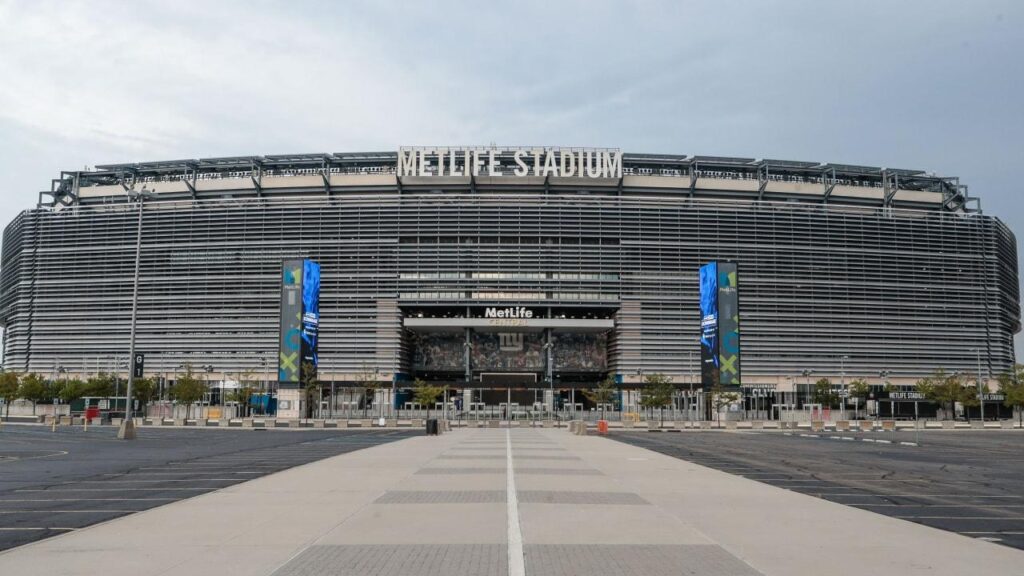
New York New Jersey Stadium, commonly known as MetLife Stadium, will host the FIFA World Cup 2026 final.
This makes it one of the most important venues of the tournament.
The stadium’s scale, location, and event experience make it well suited for a global final. But hosting the biggest match in football requires far more than seating capacity. It requires transportation planning, security coordination, broadcast infrastructure, VIP operations, media management, and a flawless fan experience.
The final is not just one match. It is a complete city-scale operation.
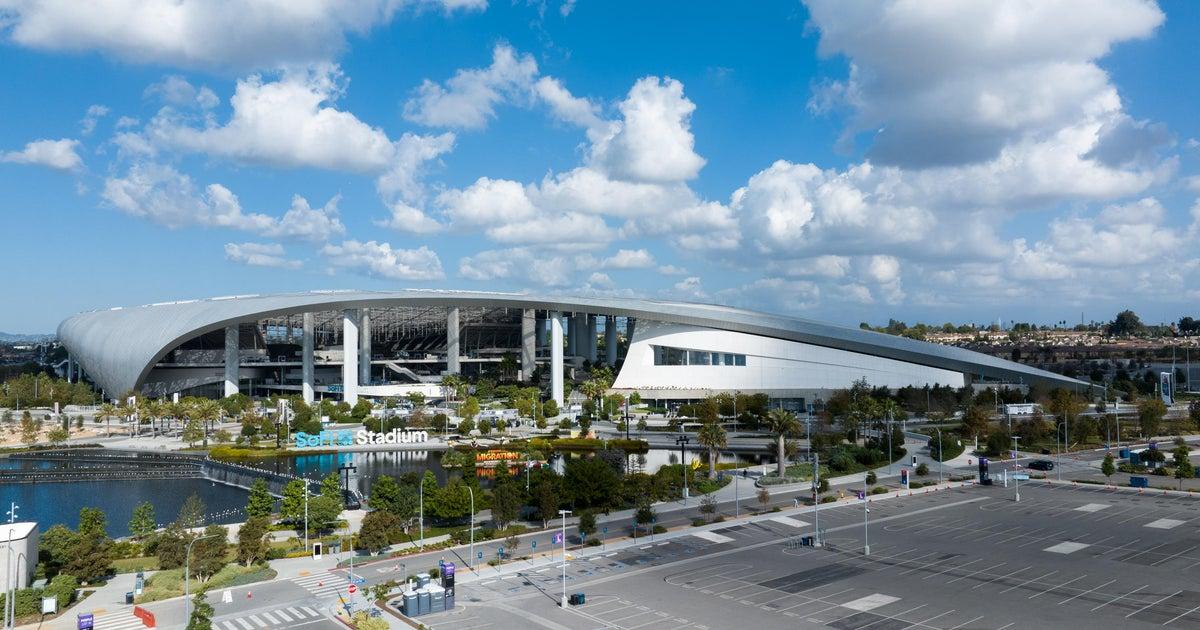
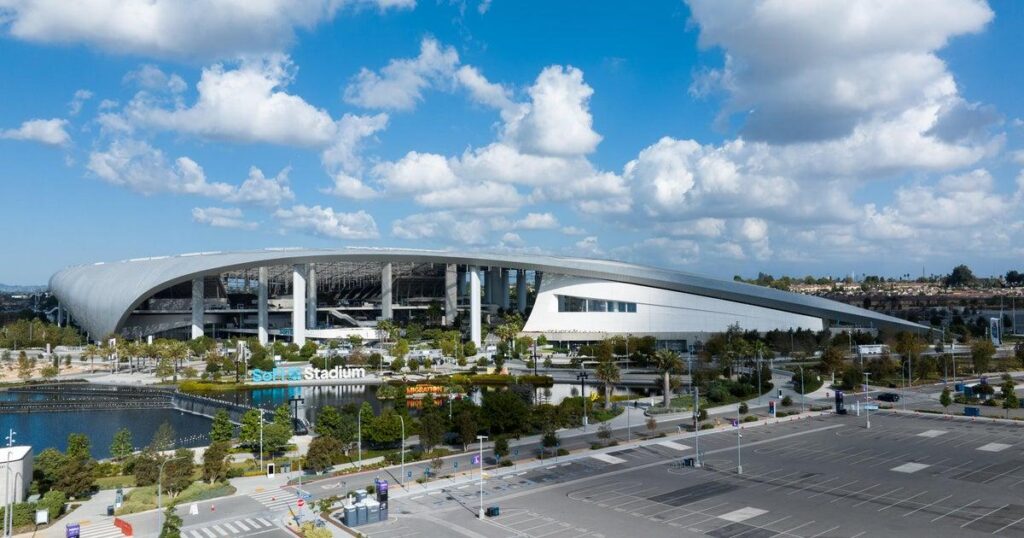
Los Angeles Stadium, known as SoFi Stadium, is one of the most advanced stadiums in the world.
Its roof structure, massive video board, premium spaces, and complex design make it a landmark of modern stadium construction. However, adapting a stadium like this for World Cup soccer still presents engineering challenges.
The field layout, natural grass installation, sightlines, and event operations all need careful planning.
SoFi Stadium shows that even the most technologically advanced buildings need flexibility built into their design.
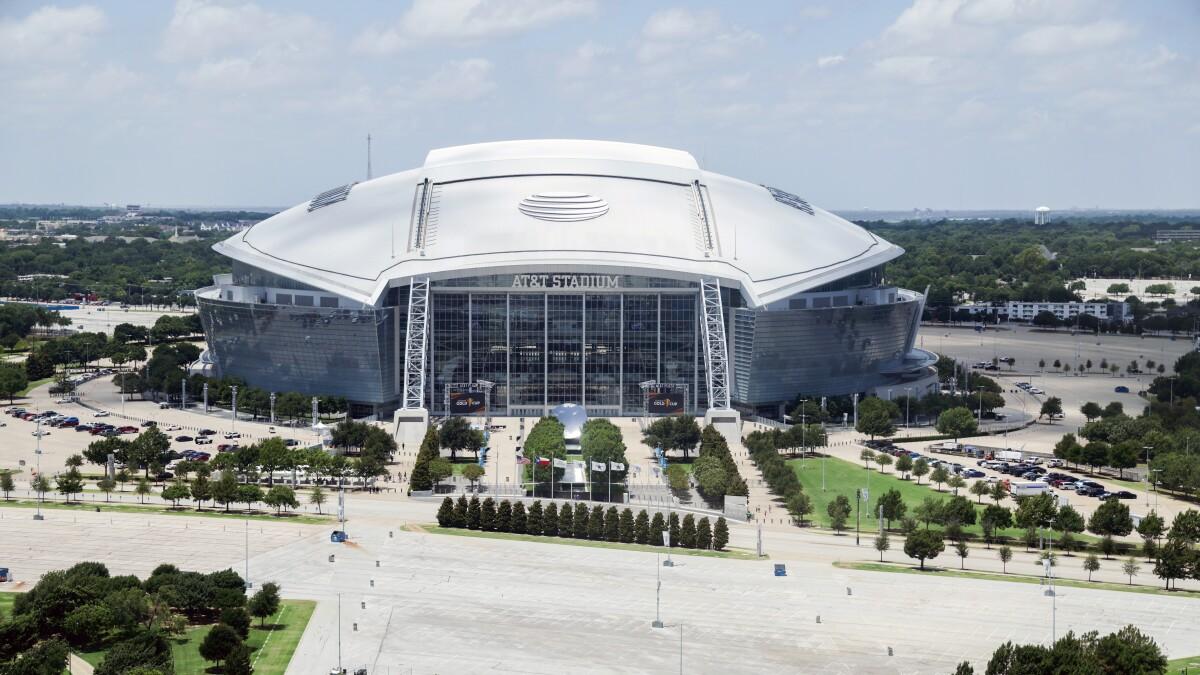
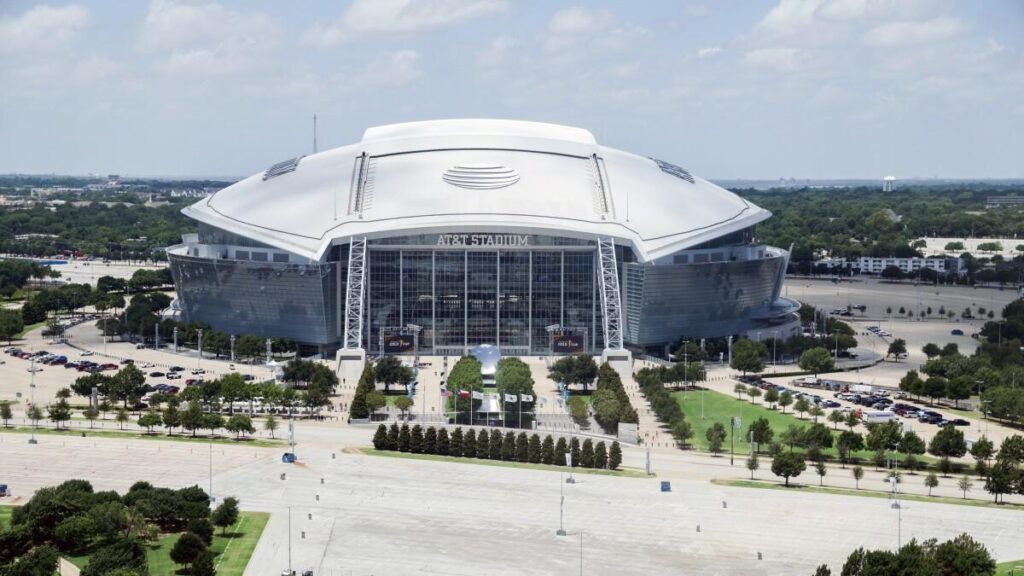
Dallas Stadium, known as AT&T Stadium, is one of the largest and most recognizable sports venues in the United States.
Its size makes it a natural fit for major international events. But large stadiums bring complex construction and operations demands, especially when adapting field dimensions, seating layouts, and crowd circulation for a different sport.
The building’s retractable roof and massive interior volume also make it an interesting example of large-span structural design.
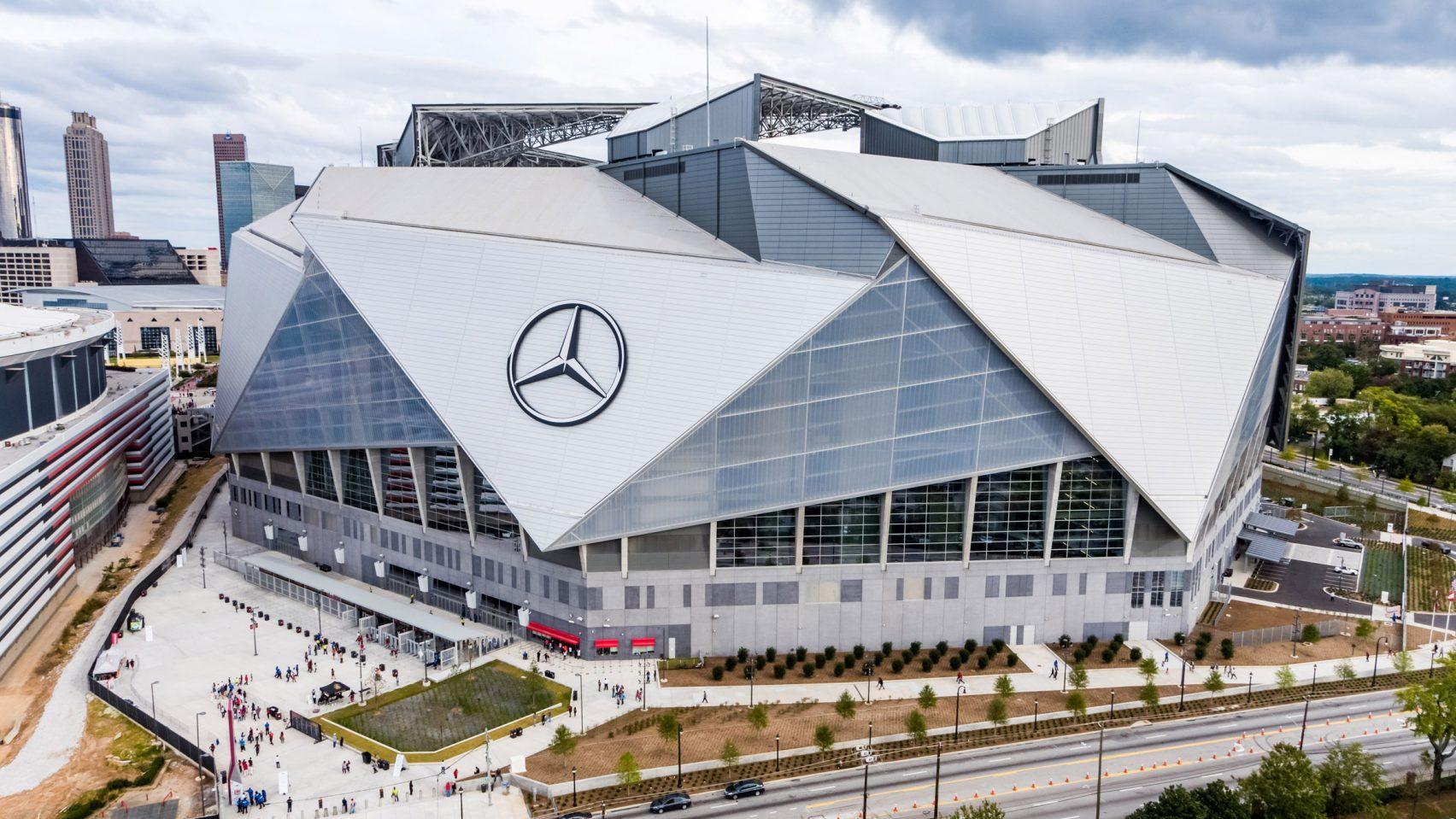
Atlanta Stadium is known for its bold roof design and modern architecture.
The stadium’s retractable roof system and circular form make it one of the most distinctive venues in the tournament. From an engineering perspective, it demonstrates how architecture and mechanics can work together to create a flexible event space.
For the World Cup, that flexibility becomes essential.
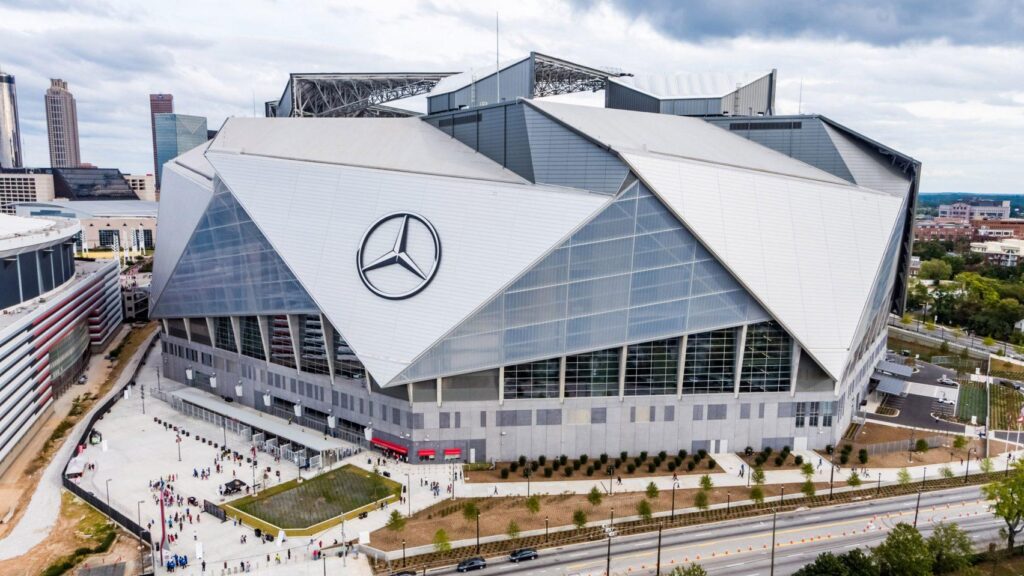
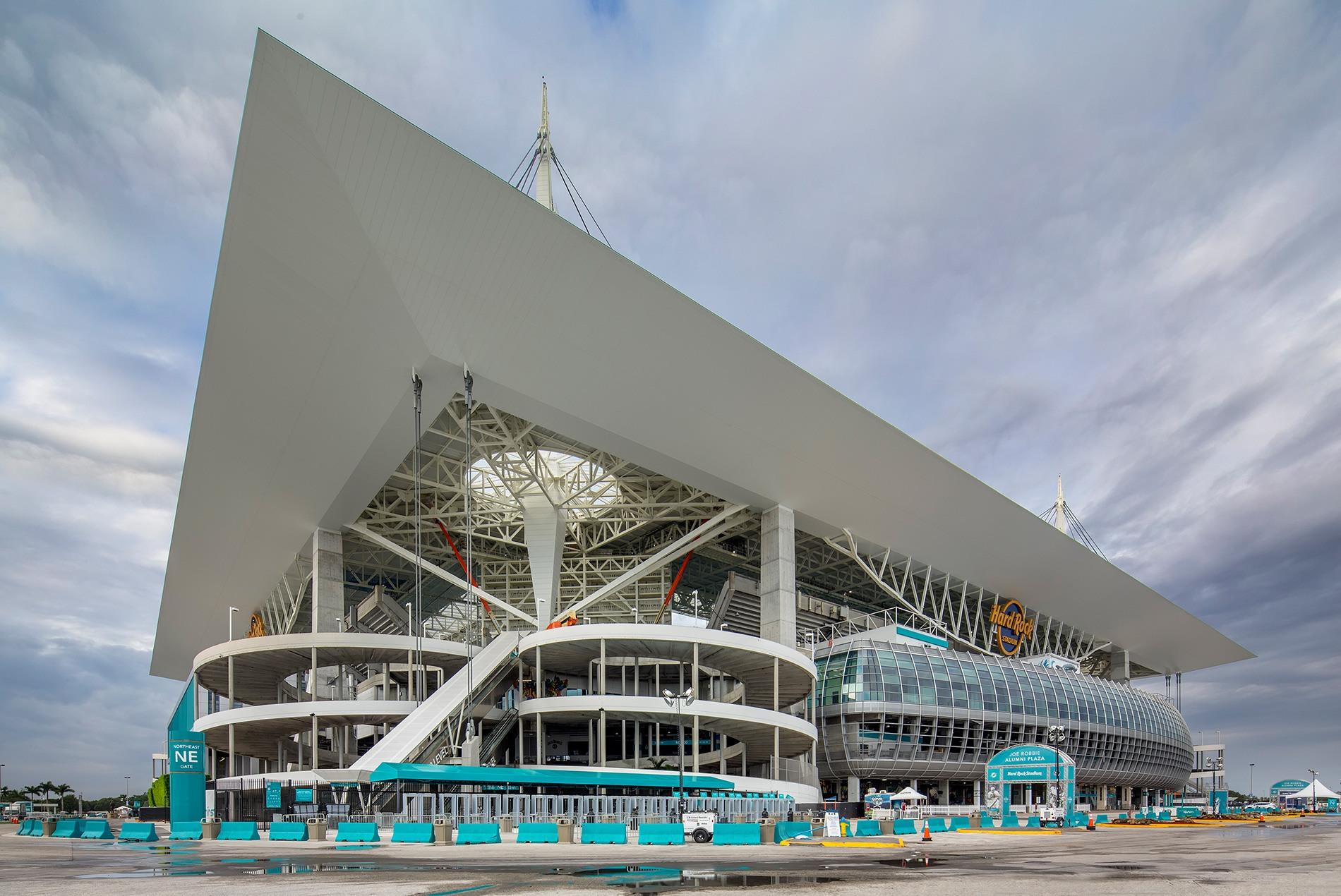
Miami Stadium is another major multi-purpose venue that has undergone significant upgrades over time.
Its design supports football, soccer, tennis, concerts, and international events. This kind of flexibility is increasingly important in modern stadium construction, where buildings are expected to generate value year-round.
For World Cup use, the stadium must deliver both technical performance and a strong fan experience in a hot, high-demand climate.
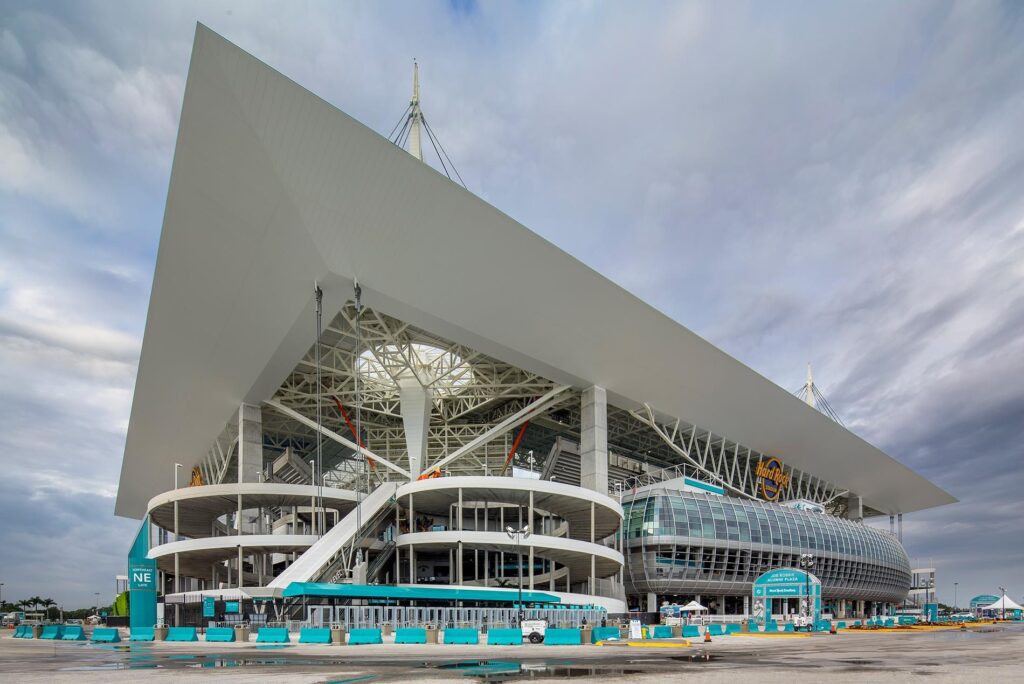
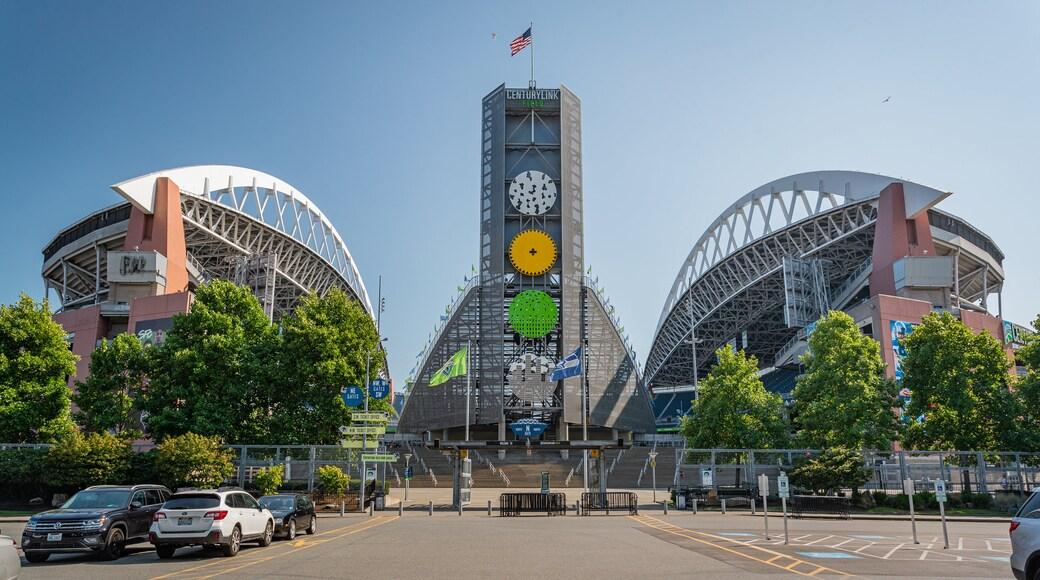
Seattle Stadium is known for its atmosphere and passionate fan base.
From a construction point of view, it is a strong example of a stadium designed to amplify crowd energy while supporting major sports and entertainment events. Sound, sightlines, access, and seating geometry all contribute to how a stadium feels.
Great stadium design is not only structural. It is emotional.
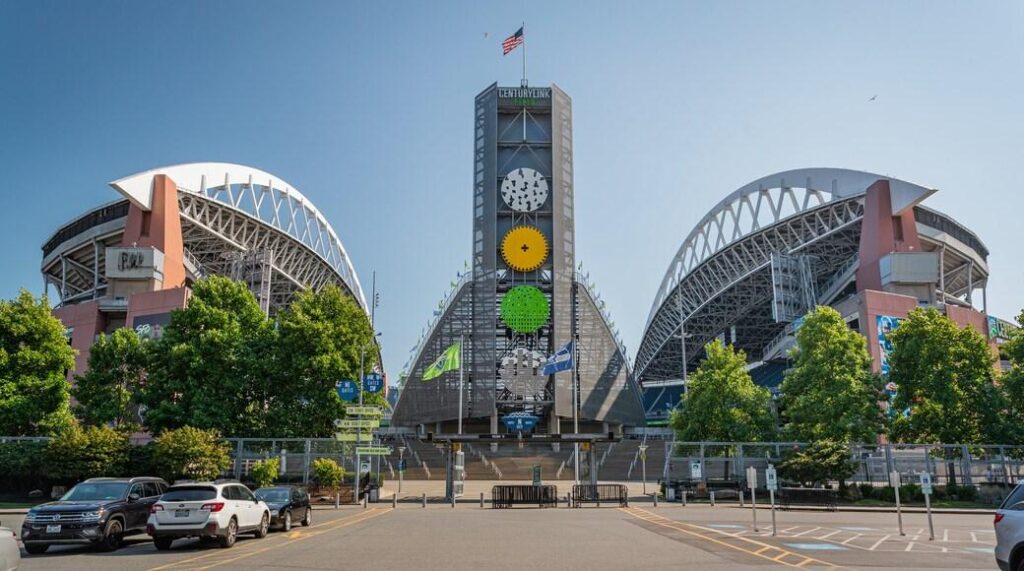
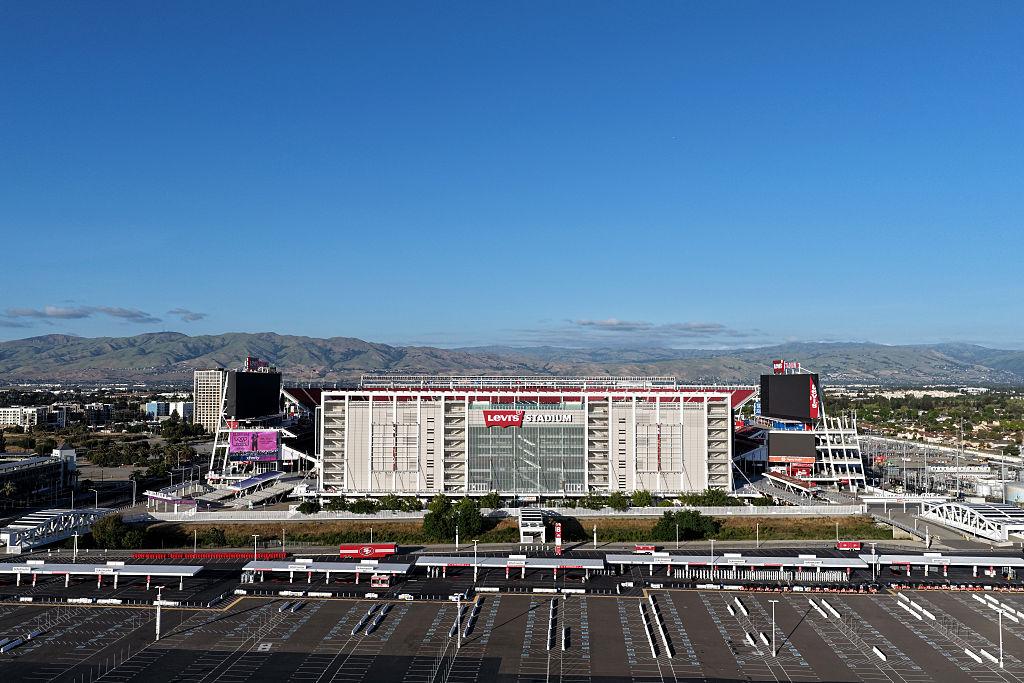
Levi’s Stadium in the San Francisco Bay Area is a modern venue designed with technology, premium experiences, and sustainability in mind.
As a newer stadium, it reflects the direction many large venues have taken: integrated digital systems, flexible hospitality areas, and multi-purpose event capability.
For World Cup hosting, the challenge is making sure the stadium’s existing design can be adapted to meet FIFA’s specific requirements.
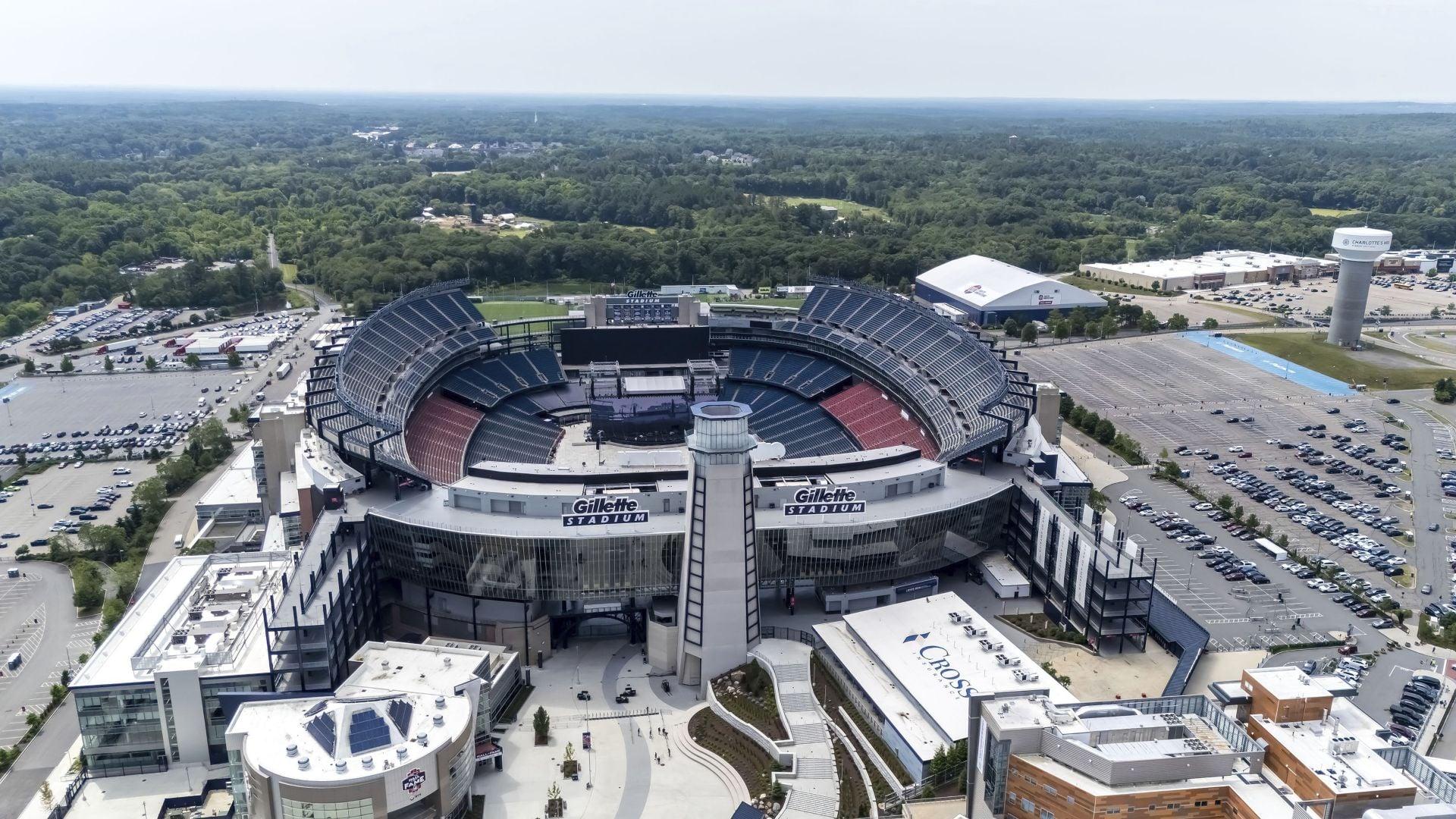
Boston Stadium has a long history of hosting major sports and entertainment events.
Like several U.S. venues, it must adapt from its regular use to support World Cup soccer. That includes pitch planning, fan movement, team facilities, media operations, and event-day logistics.
The stadium demonstrates how existing infrastructure can be repurposed for global events when planning and execution are handled properly.
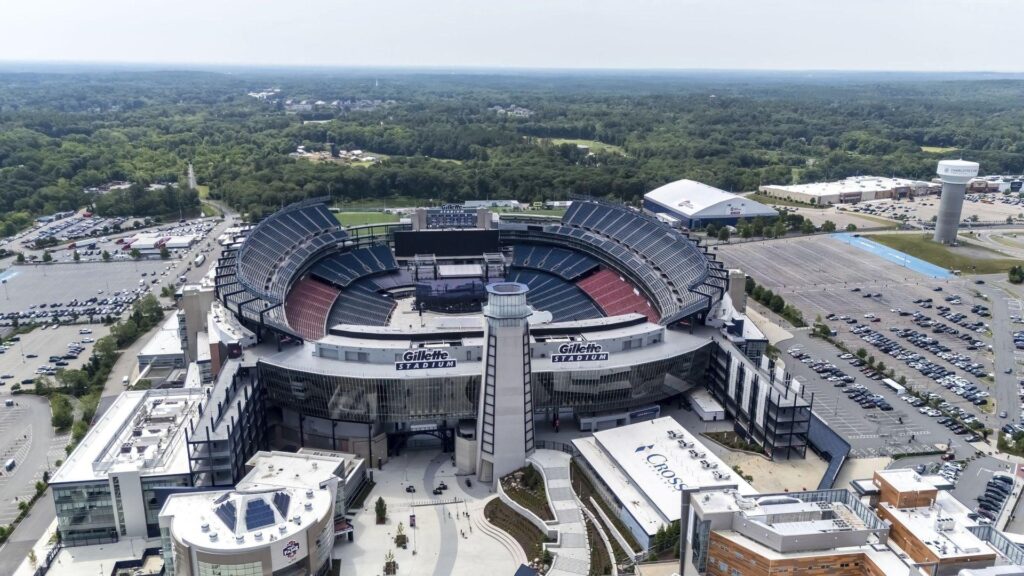
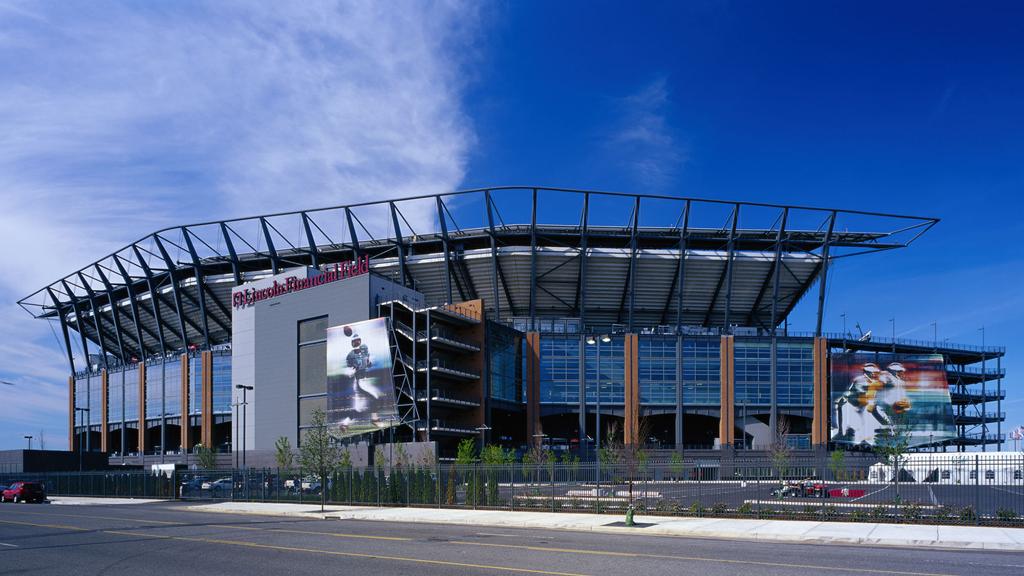
Philadelphia Stadium is another large NFL venue that will welcome World Cup matches.
The construction story here is about flexibility and operational readiness. A venue built for one primary sport must be prepared to serve a different global audience, different field requirements, and different event standards.
That kind of adaptation depends on strong coordination long before match day.
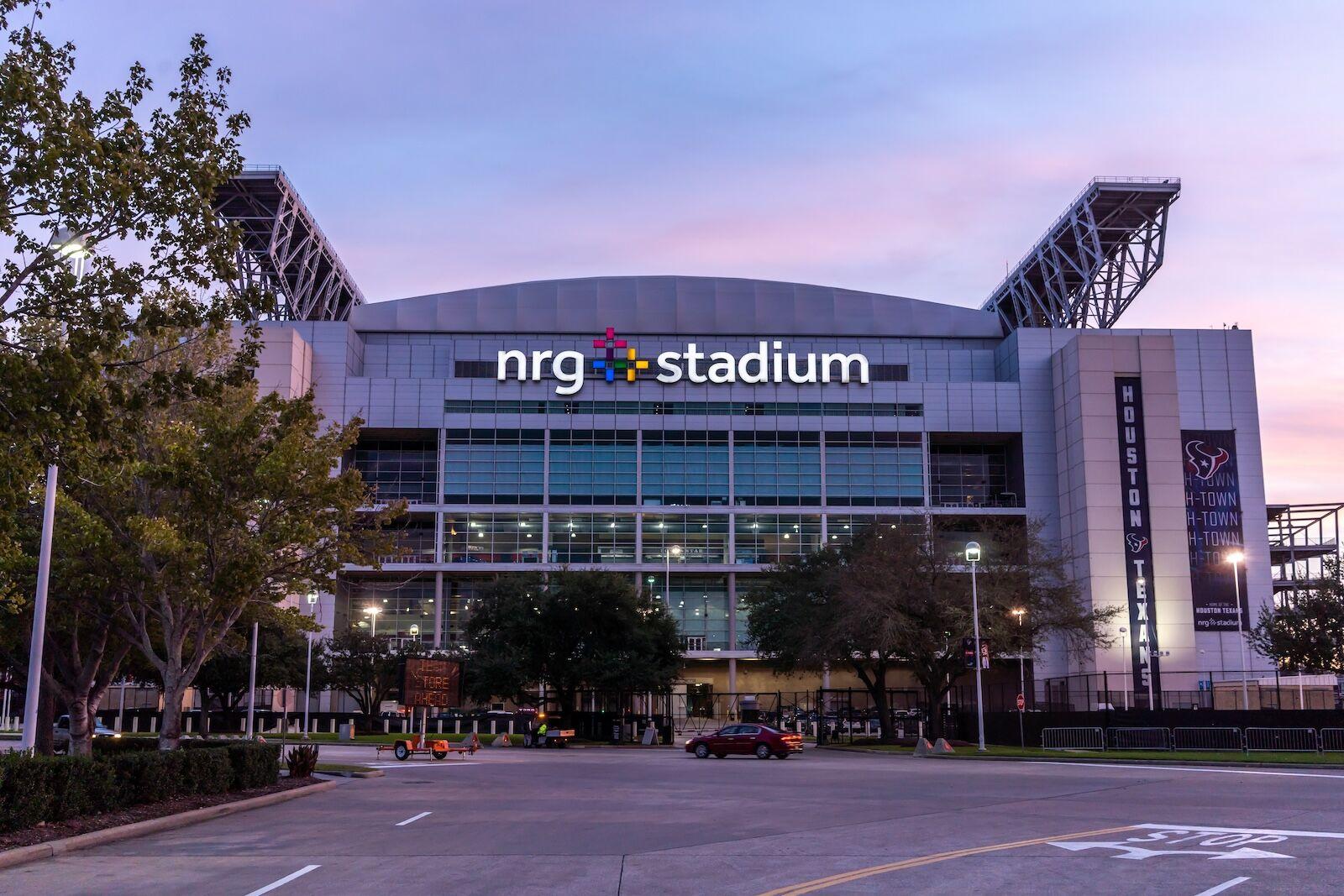
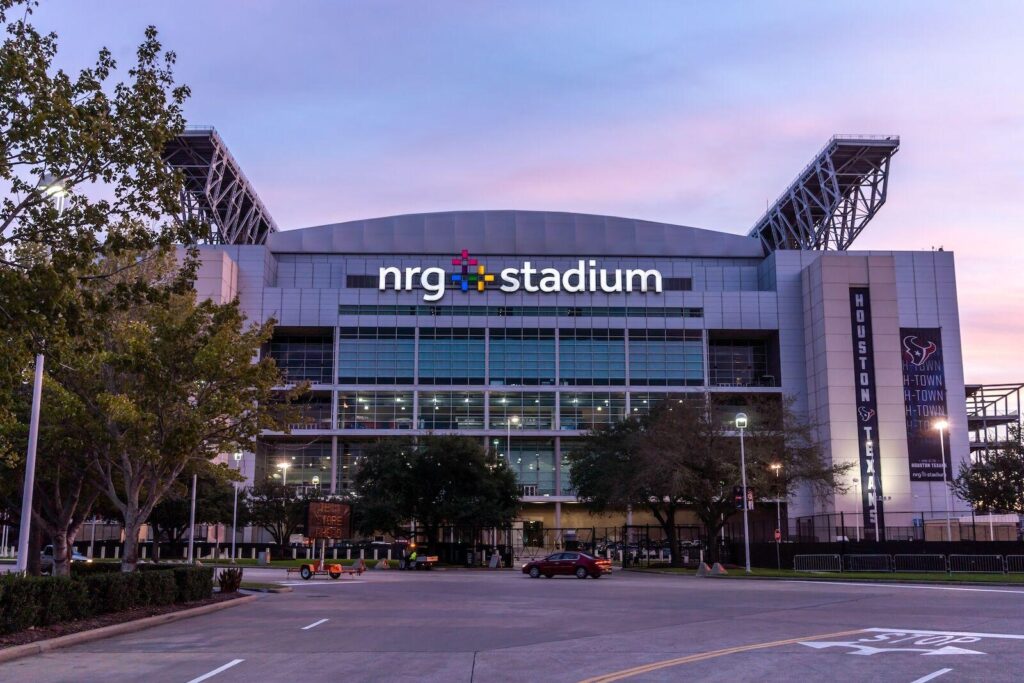
Houston Stadium is a major covered venue with experience hosting large-scale sports and entertainment events.
Its roof system and multi-purpose design make it a strong example of stadium flexibility. For World Cup matches, the building must support the technical and environmental needs of soccer while managing the comfort and safety of large crowds.
Covered stadiums also create unique considerations for grass, lighting, temperature, and ventilation.
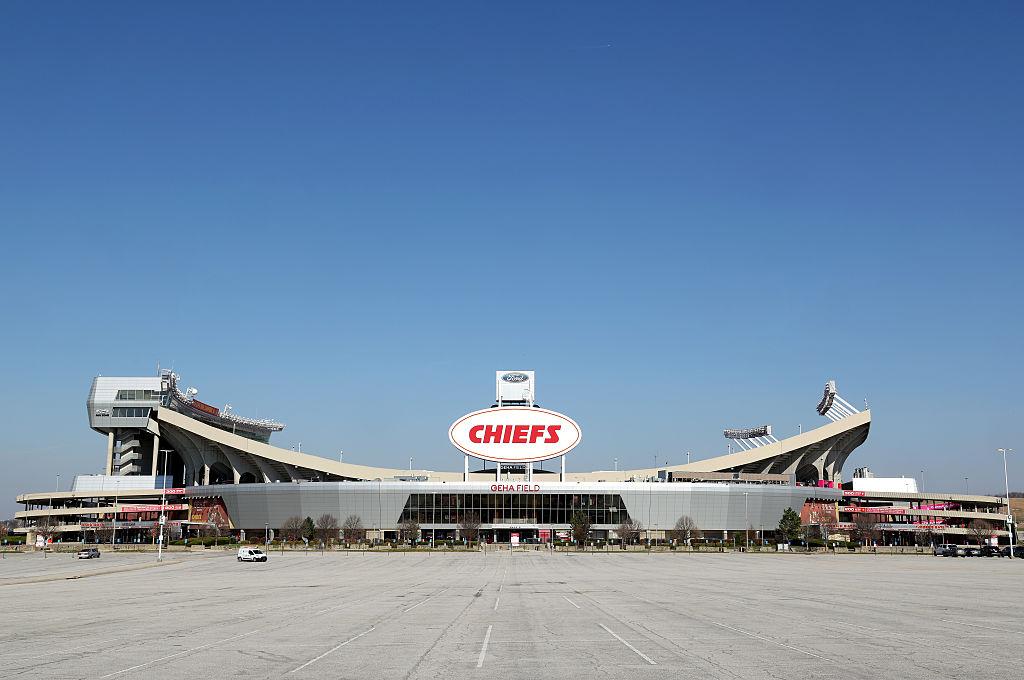
Kansas City Stadium is known for its scale and atmosphere.
Its selection for the World Cup shows that fan experience remains a major part of stadium value. While technical upgrades matter, the emotional intensity of a venue also contributes to the event.
From a construction perspective, older or established stadiums often require careful adaptation to meet new standards while keeping the qualities that made them iconic.
The 2026 World Cup stadiums are very different from one another. Some are historic. Some are brand new. Some are open-air. Some are covered. Some were designed for soccer, while others were designed for American football.
But they all share a few important lessons.
The most successful stadiums are not limited to one use.
They can host sports, concerts, ceremonies, festivals, and international events. This flexibility makes the building more valuable over time.
The same principle applies to many types of construction. Whether it is a stadium, commercial space, or custom home, buildings should be designed with future needs in mind.
Large projects succeed or fail before construction starts.
World Cup stadium preparation requires years of coordination. Design teams, engineers, builders, suppliers, officials, and operators must align early.
This is true for every complex build. The earlier problems are identified, the easier and less expensive they are to solve.
Temporary seating, structural components, service areas, and event infrastructure often rely on prefabricated or modular systems.
These systems can reduce installation time, improve quality control, and make construction more predictable.
In modern construction, speed should not come at the cost of quality. Prefabrication helps achieve both when it is properly designed and managed.
Stadiums rely heavily on structural steel because of its strength, flexibility, and ability to span large distances.
Roof structures, seating systems, temporary expansions, concourses, and support frames often depend on steel engineering.
Steel allows architects and engineers to create open spaces, dramatic forms, and durable structures that can support thousands of people safely.
Many World Cup venues are not new builds. They are existing stadiums being upgraded, modified, or temporarily adapted.
Renovation often requires working within constraints: existing structures, active operations, fixed footprints, limited timelines, and strict safety requirements.
In many cases, upgrading an existing building is more complicated than starting from scratch.
Fans may never think about drainage systems, structural loads, emergency exits, broadcast cabling, roof mechanics, or crowd circulation.
But if any of those systems fail, everyone notices.
That is the reality of high-performance construction. The best work often disappears into the experience.
A custom home is obviously not a stadium. But the principles behind successful construction are surprisingly similar.
Both require planning, coordination, structural thinking, material selection, budgeting, scheduling, and quality control.
In a custom home, the “big moment” is not a final match. It is the day the homeowner walks in and feels that everything works exactly as intended.
That result comes from the same mindset seen in major stadium projects:
At Pionova, we believe construction is not only about completing a project. It is about managing complexity with care, skill, and accountability.
The FIFA World Cup 2026 will use 16 stadiums across Canada, Mexico, and the United States.
The tournament is being hosted by three countries: Canada, Mexico, and the United States.
Toronto and Vancouver are the Canadian host cities for the FIFA World Cup 2026.
The final will be hosted at New York New Jersey Stadium, commonly known as MetLife Stadium, in East Rutherford, New Jersey.
World Cup stadiums often need renovations or temporary upgrades to meet FIFA requirements for pitch quality, seating, broadcasting, security, hospitality, accessibility, and player facilities.
World Cup matches are played on natural grass surfaces. For some stadiums, especially venues that normally use artificial turf, this requires temporary or permanent pitch conversion.
Modern stadium construction often uses structural steel, prefabrication, modular systems, BIM coordination, advanced roofing systems, digital infrastructure, and sustainable building strategies.
Stadiums are long-term civic assets. After the tournament, they continue to host sports, concerts, cultural events, and community gatherings. Good stadium design supports both major events and everyday use.
The FIFA World Cup 2026 will be remembered for the teams, the goals, and the fans. But it should also be recognized as one of the biggest construction and infrastructure achievements in modern sport.
Across 16 stadiums in three countries, the tournament shows how architecture, engineering, planning, and construction come together on a global stage.
For Pionova, that story feels familiar.
Whether the project is a stadium, a custom home, or a complex renovation, successful construction always depends on the same foundation: vision, coordination, precision, and trust.