Arash Safavi
June 2026

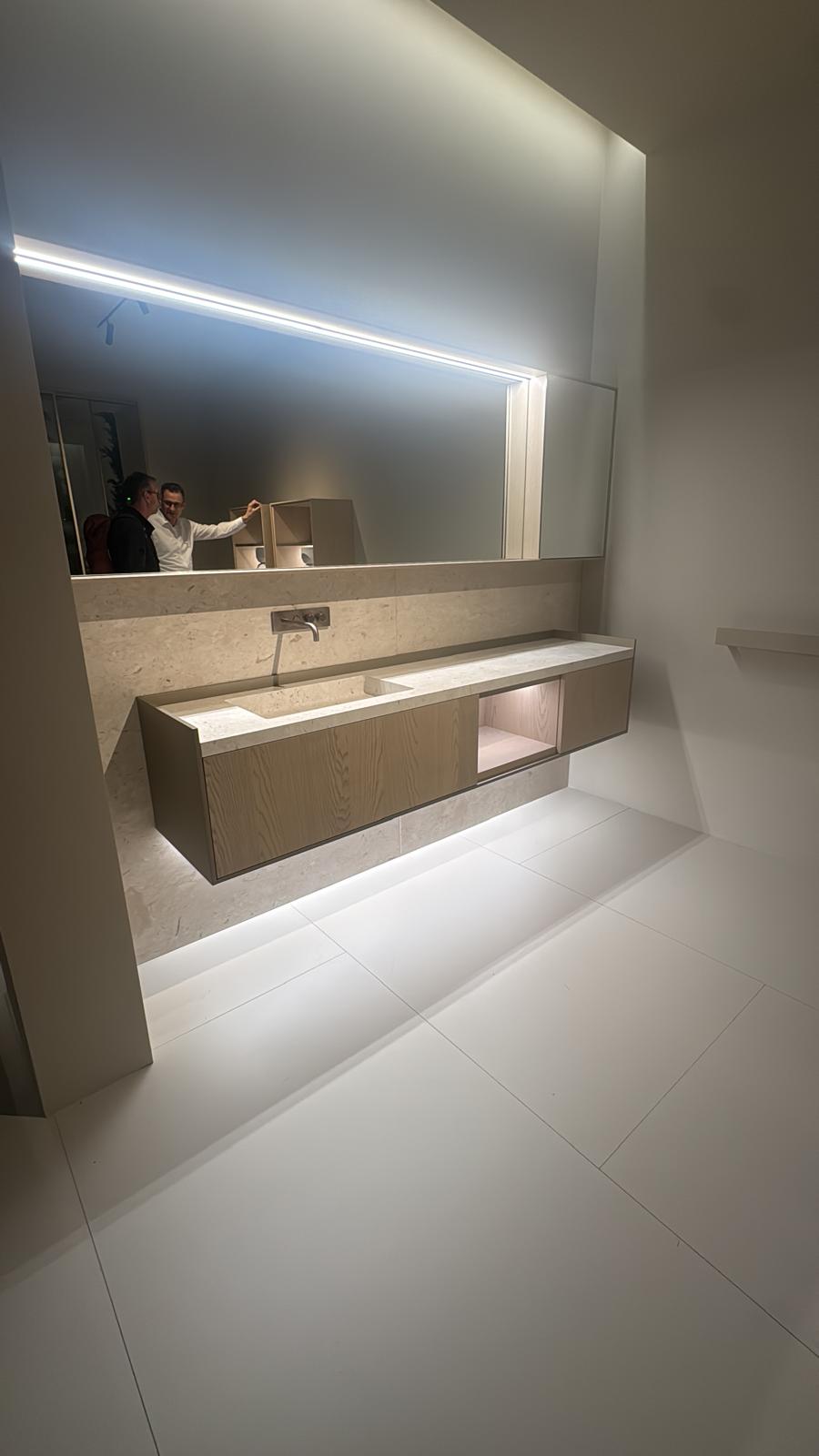
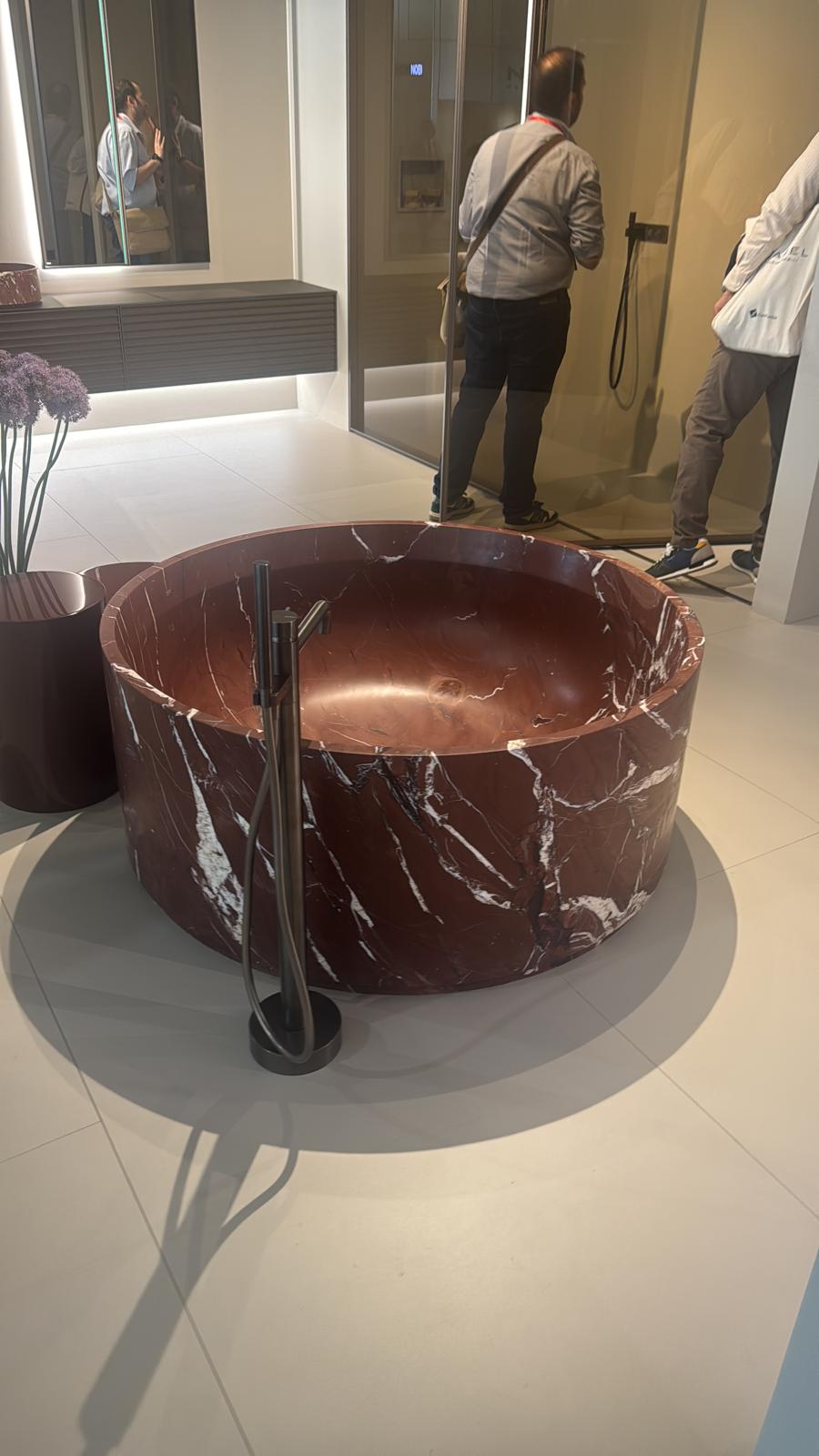


Every year, architects, designers, builders, and manufacturers from around the world gather in Milan for Salone del Mobile—the world’s most influential design exhibition. It’s where tomorrow’s design ideas first appear.
The colours, materials, furniture, lighting, and architectural details showcased in Milan often shape residential design around the world for years to come.
Earlier this year, the Pionova team travelled to Salone del Mobile to explore the newest ideas firsthand.
While every home should ultimately reflect its owner’s lifestyle, several clear trends emerged that we believe will influence luxury residential construction throughout Toronto over the next two years.
Good design isn’t about following fashion. It’s about creating spaces that remain beautiful, functional, and timeless. Many of the trends we observed weren’t simply aesthetic choices—they reflected changing lifestyles.
Homeowners are prioritizing:
These principles are becoming just as important as appearance.
For years, modern homes embraced straight lines and rigid geometry.
Today, softer forms are making a comeback.
These elements create homes that feel warmer, calmer, and more inviting.
Instead of dramatic statements, curves add subtle elegance throughout a home.
If one material stood out across nearly every exhibition, it was White Oak.
Designers are using it for:
Its warmth pairs beautifully with both contemporary and traditional architecture.
Unlike trend-driven finishes, White Oak has proven to age gracefully.
Stone is no longer limited to countertops.
Throughout Milan we saw stone used in:
Large-format stone creates spaces that feel refined while emphasizing natural textures.
Every slab is unique, making each installation one of a kind.
Minimal white interiors are gradually giving way to richer palettes.
One colour appeared repeatedly throughout Salone:
Used carefully, this colour adds warmth and sophistication without overwhelming a space.
Designers are pairing burgundy with:
The result feels luxurious while remaining timeless.
Luxury homes are increasingly designed around how people feel—not just how they look.
Dedicated wellness spaces are becoming standard features rather than luxury upgrades.
Examples include:
As homeowners spend more time at home, these spaces contribute to both physical and mental well-being.
Technology is becoming invisible.
Instead of adding gadgets, homeowners are integrating technology directly into the home’s infrastructure.
Popular features include:
The goal is simplicity rather than complexity.
Technology should support daily life without drawing attention to itself.
Sustainability is no longer limited to solar panels.
One of the biggest conversations in Milan focused on improving the performance of the home itself.
High-performance windows and doors continue to be among the most important investments homeowners can make.
Benefits include:
Sustainability begins with good construction—not just technology.
Not every trend survives.
The ideas most likely to remain relevant over the coming years share one characteristic:
They improve the way people live.
Natural materials.
Comfort.
Durability.
Quality craftsmanship.
Wellness.
These aren’t passing trends—they’re long-term investments.
Rather than asking:
“What’s popular?”
A better question is:
“How do I want to live?”
The best homes aren’t designed around trends.
They’re designed around the people who live in them.
The role of architects, designers, and construction managers is to translate those lifestyles into spaces that remain beautiful for decades.
Yes. Smart home technology is increasingly expected in luxury residential construction.
Curved islands, White Oak cabinetry, integrated appliances, and natural stone continue to gain popularity.
Natural stone, White Oak, limestone, bronze, and high-quality natural materials consistently stand the test of time.
For many homeowners, dedicated wellness spaces improve daily living while also increasing long-term appeal.
High-performance windows, doors, insulation, and building envelope design remain among the most valuable sustainability investments.
Yes—but with more intentional zoning that creates privacy while maintaining openness.
The most successful luxury homes aren’t defined by trends alone.
They’re defined by thoughtful planning, timeless materials, and exceptional execution.
At Pionova, every project begins by understanding how our clients want to live—then bringing that vision to life through collaborative planning, construction management, and attention to detail.
By combining timeless design principles with the latest innovations from around the world, we help create homes that feel just as relevant decades from now as they do on the day they’re are completed.